
Phoenix Contractor Insurance: Built Around Your ROC License
General, electrical, plumbing, HVAC, and specialty trade contractors: we know the bond, the audit, and the certificate-of-insurance demands that come with every job.
What Arizona Law Requires
ROC License Bond (ARS § 32-1152)
Every licensed contractor must post a surety bond as a condition of licensure. Residential general bonds commonly run $5,000–$15,000.
Workers' Compensation
Required for any contractor with 1+ employees.
General Liability Insurance
Not mandated by the ROC for licensure, but nearly every commercial GC and property manager requires proof, typically $1M/$2M, before work begins.
What We Recommend Beyond the Minimums
General Liability
$1M/$2M is the de facto standard requested on nearly every commercial job's certificate of insurance.
Builder's Risk
Covers a structure under construction: needed project-by-project or annually for GCs running multiple jobs.
Tools & Equipment (Inland Marine)
Covers tools and equipment away from the shop or in transit, not covered by commercial property.
Commercial Auto + Hired/Non-Owned
Covers company trucks and employees driving personal vehicles for work errands.
Umbrella / Excess Liability
Commercial job sites carry real injury exposure; GCs increasingly require $2M+ in umbrella limits from subs.
Professional Liability / E&O
Relevant for design-build work or specialty trades where a system failure could trigger a claim beyond property damage.
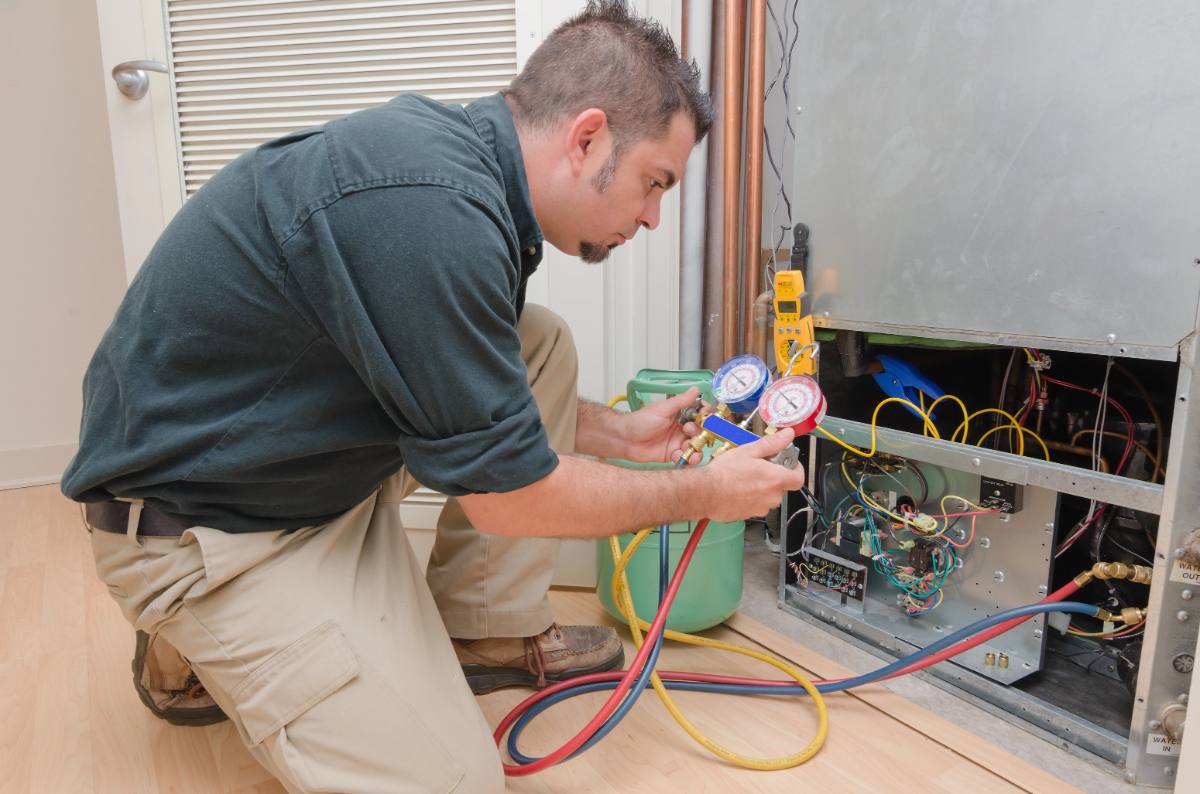

What Makes Contractor Insurance Different
The GL audit
Most policies are audited annually on payroll and subcontractor cost; underreporting sub spend is the most common surprise.
COI turnaround
Commercial GCs often need a same-day certificate before a sub can start work; slow turnaround costs contractors jobs.
1099 subcontractor risk
Using subs without their own GL and workers' comp can push their payroll onto your policy at audit time.
Trade-specific carriers
Electrical and HVAC contractors face different underwriting than general residential remodelers.
Client voice
I just love you guys so much. You are on your A game all the time.
Why Phoenix Contractors Choose Hatch
-
01
Independent, multi-carrier comparison across contractor classifications.
-
02
Fast COI turnaround for job-site deadlines that don't wait.
-
03
Trade-specific underwriting knowledge: electrical vs. general vs. HVAC.
Frequently Asked Questions
Do I need general liability insurance to get my ROC license?
Not directly: the ROC requires a surety bond, not GL. But in practice, nearly every commercial GC will require proof of GL before you're on a job site.
What's the ROC bond, and is that the same thing as insurance?
No, the bond protects consumers and the state; GL protects you and third parties from claims. You need both.
How much does contractor insurance cost in Arizona?
It depends on trade classification, payroll, revenue, and claims history. Give us a call for an accurate quote.
I use 1099 subs. Am I covered for their work?
Only if structured properly. Require every sub to carry their own coverage and provide a certificate naming you as additional insured.
Do I need builder's risk if I'm only doing tenant improvement work?
Usually, yes: it covers materials and work-in-progress not yet covered by a standard property policy.
Get a Quote for My Contracting Business
Real advisors, real carriers, no quote-engine guesswork.
Phoenix, AZ 85027