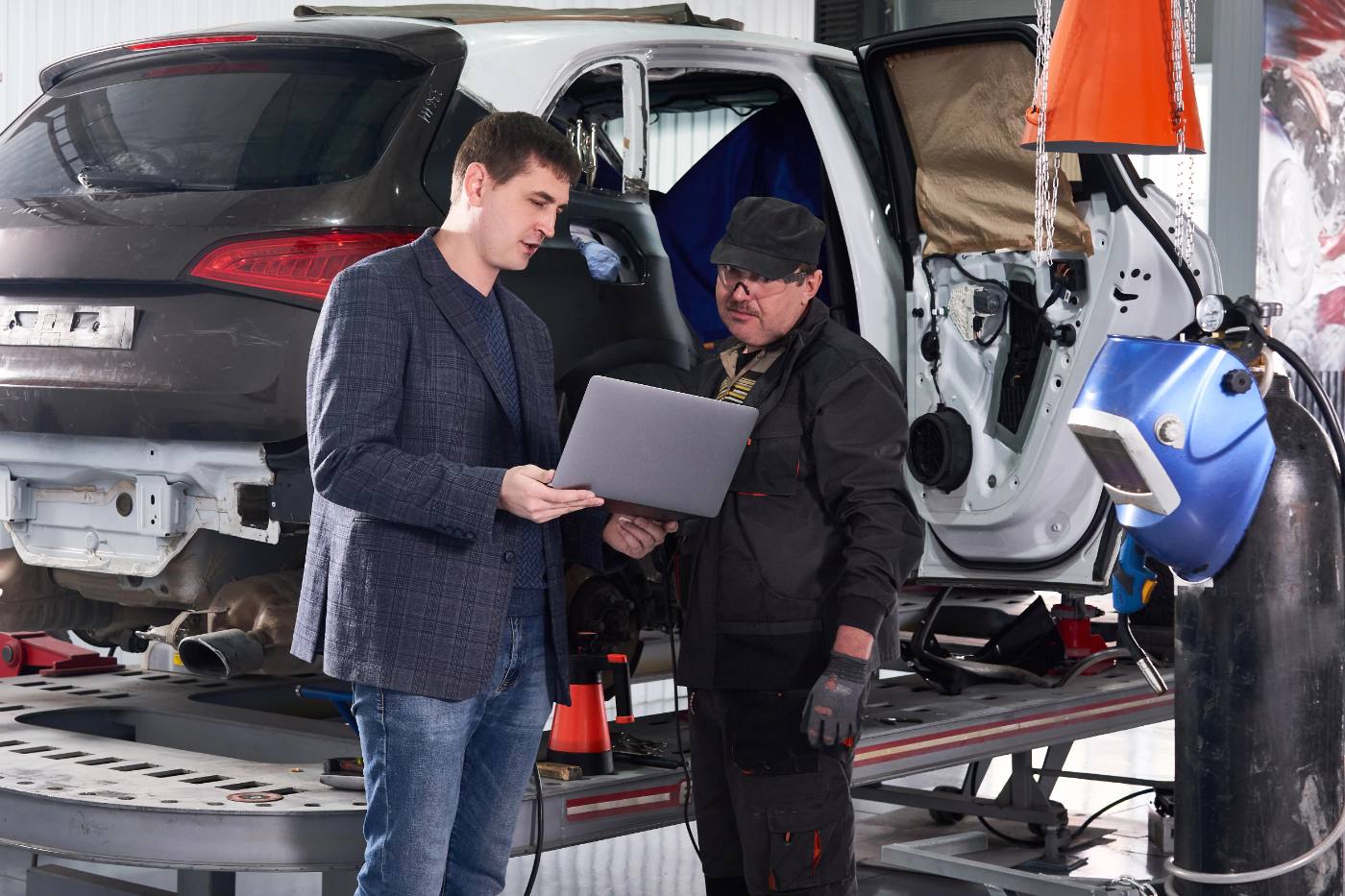
Phoenix Auto Body Shop Insurance: Coverage Built for the Shop Floor
You protect customers’ cars every day. Make sure the right insurance is protecting your shop, your equipment, and your team.
What Arizona Law Requires
Workers' Compensation
Required with even one employee (ARS § 23-901). Spray guns, heavy components, solvent exposure, and lifts create real injury risk.
Commercial Auto Liability
Required for any business vehicle on public roads: a personal auto policy will deny claims tied to business use.
Arizona MVD Garage License Bond
Required only for shops that also hold a dealer license. A standard collision or body shop without one is not required to carry it.
What We Recommend Beyond the Minimums
Garage Liability
Covers bodily injury and property damage from your operations: a slip in the waiting room, a vehicle rolling off a lift, or a repair dispute.
Garagekeepers Legal Liability
Covers customer vehicles in your care, custody, and control. Garage liability and garagekeepers are not the same thing: most shops need both.
Commercial Property
Covers equipment, tools, and building on a replacement-cost basis, not actual cash value.
Business Interruption
Pays ongoing expenses and lost revenue while you're closed after a covered loss.
Umbrella / Excess Liability
Extra cushion above garage liability and auto limits, especially for luxury, exotic, or fleet work.
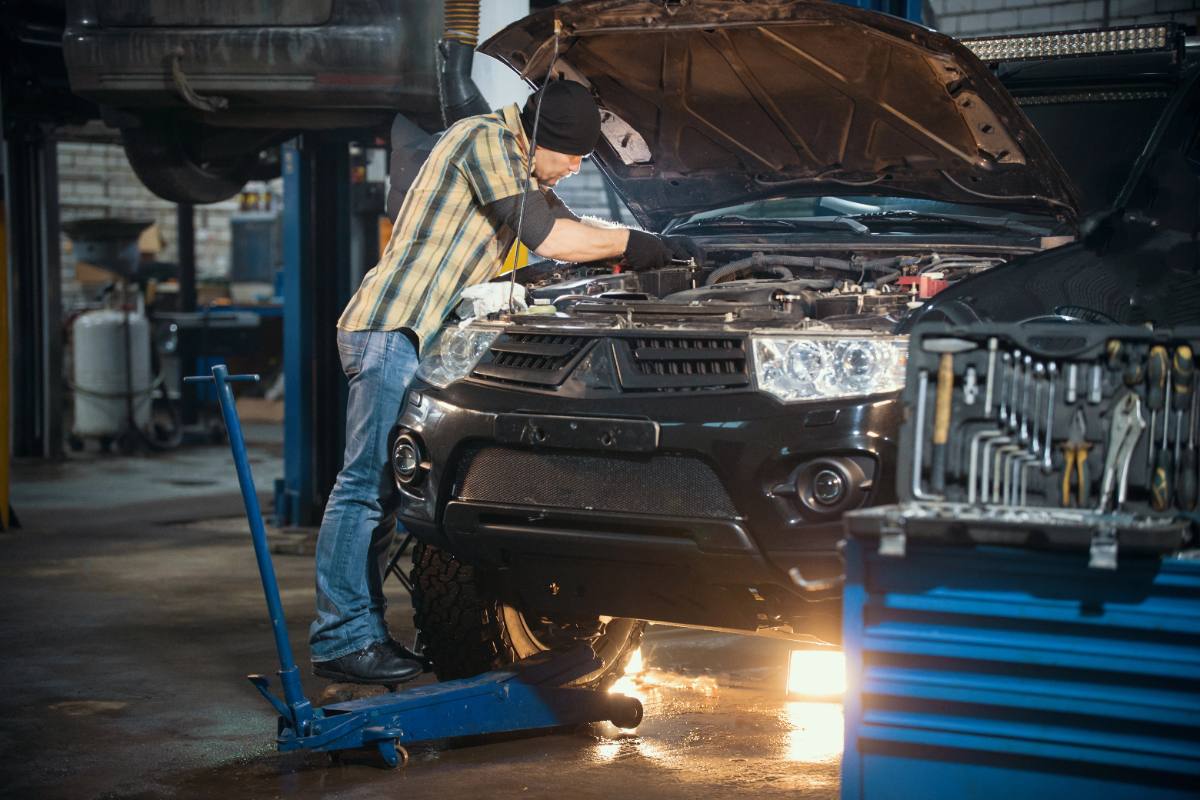
Why Auto Body Insurance Is Different
Paint booth & solvent exposure
Standard property policies often exclude paint booths and solvent fires: you need a carrier that underwrites auto body operations specifically.
Customer vehicles aren't covered by standard GL
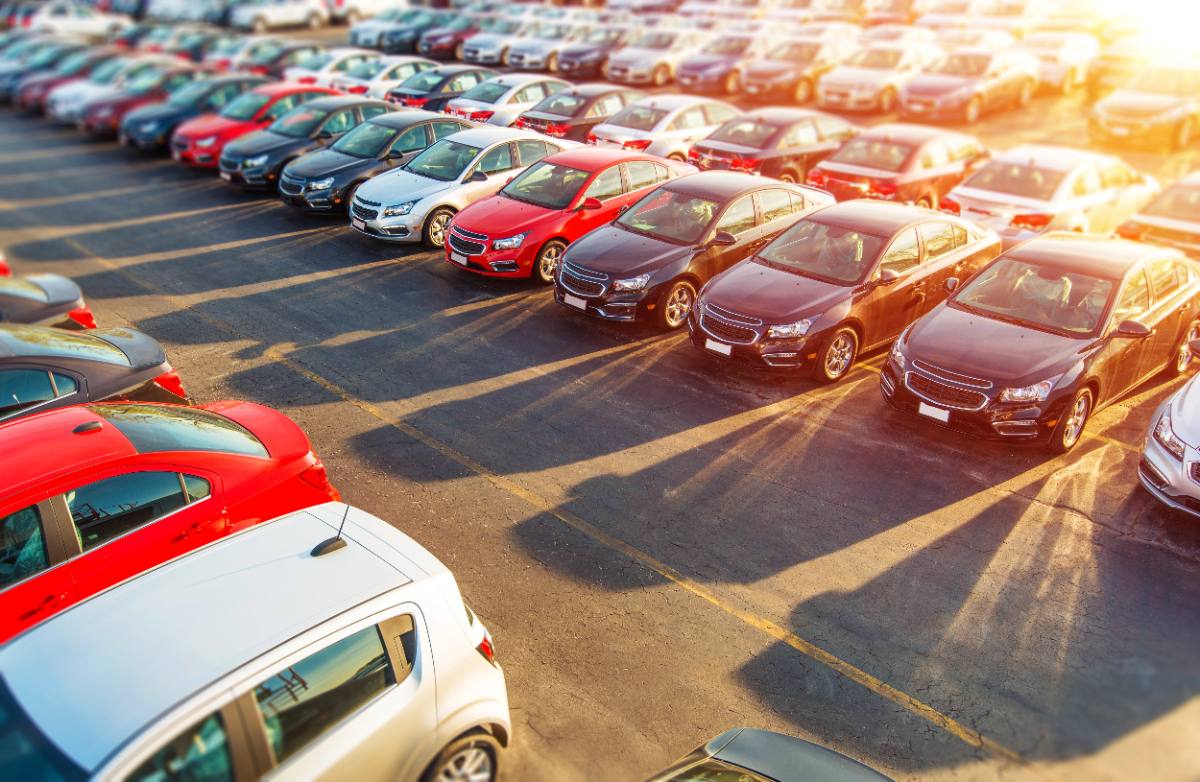
A standard BOP excludes property in your care, custody, or control: every car on your lot. Garagekeepers fills the gap.
Road test liability
Test-driving a repaired vehicle is a distinct exposure, covered only if your policy is written to include it.
Environmental & chemical disposal
Paint, solvents, and waste create environmental exposure depending on the scale of your operation.
Why Phoenix Auto Body Shops Prefer Hatch
-
01
Independent: comparing multiple A-rated carriers, not one company's rates.
-
02
25+ years of experience insuring auto service businesses.
-
03
Most quotes completed within the same business day.
Frequently Asked Questions
How much does auto body shop insurance cost in Arizona?
It depends on revenue, payroll, employee count, and the value of customer vehicles on your lot. Give us a call and we can usually turn a quote around the same day.
Do I need garagekeepers coverage if I already have garage liability?
Yes, garage liability covers third-party claims about your operations; garagekeepers covers the actual customer vehicles in your care. Most shops need both.
What happens if a customer's car is stolen from my lot?
With garagekeepers, your insurer covers the loss. Without it, you're personally responsible for replacing that vehicle at full value.
My regular business policy covers my property. Does it cover customer cars too?
Almost certainly not: customer vehicles are third-party property in your custody, a separate exposure covered by garagekeepers.
Can I get insured if I just opened my shop?
Yes, some carriers prefer 2–3 years in business for their best rates, but newer shops can still get properly covered.
Get a Quote for My Shop
Real advisors, real carriers, no quote-engine guesswork.
Phoenix, AZ 85027